ABC7 Eyewitness News | A caller from an unknown number told a California mother that they’d kidnapped her daughter. And they said they had proof. She heard her daughter’s panicked voice. She said she was scared, she was sorry, and she loved her mom.
Then the caller demanded a ransom. Leveraging the fear she felt upon hearing her daughter’s panic, the caller kept Deborah on the phone for hours. He had her wire money from multiple locations, then told her where they’d release her daughter.
But her daughter wasn’t there.
When she called her daughter’s phone, she answered. She was at work. She was fine. There was no kidnapping.
The scammer had targeted Deborah using AI to create a cloned version of her daughter’s voice.
“With just a few seconds of your voice, they can clone it. And they can essentially produce sound that sounds exactly like you,” explained Erin West, founder of Operation Shamrock. “It’s only getting worse, and it will only continue to get worse with the use of AI and deepfake technology.”
West encourages people to be alert to warning signs of financial scams. Scammers rely on creating a sense of urgency to manipulate people into doing things they wouldn’t normally do.
“When we get something that raises our anxiety and requires immediate action, and that immediate action requires the movement of money, we need to know, red flag, this is a scam.” — Erin West, Operation Shamrock
Full article and video: Bay Area mom out thousands after scammers use AI to mimic daughter's voice in fake kidnapping
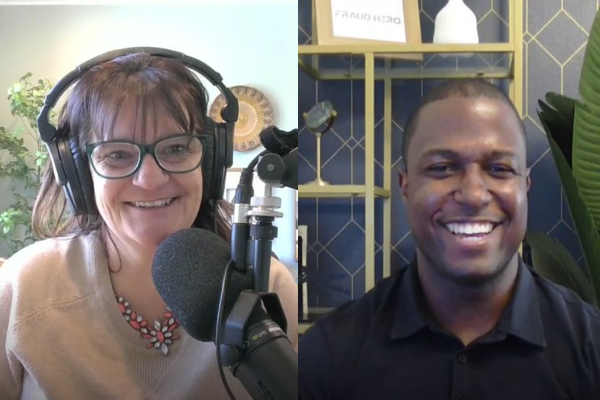
Learn more about deepfakes and AI voice cloning on the Stolen podcast.