Why Scammers Love Crypto ATMs
Protect yourself: A favorite weapon of scammers, Bitcoin ATMs are around the corner and ready to take your money.
Guest post from Jeff Honea
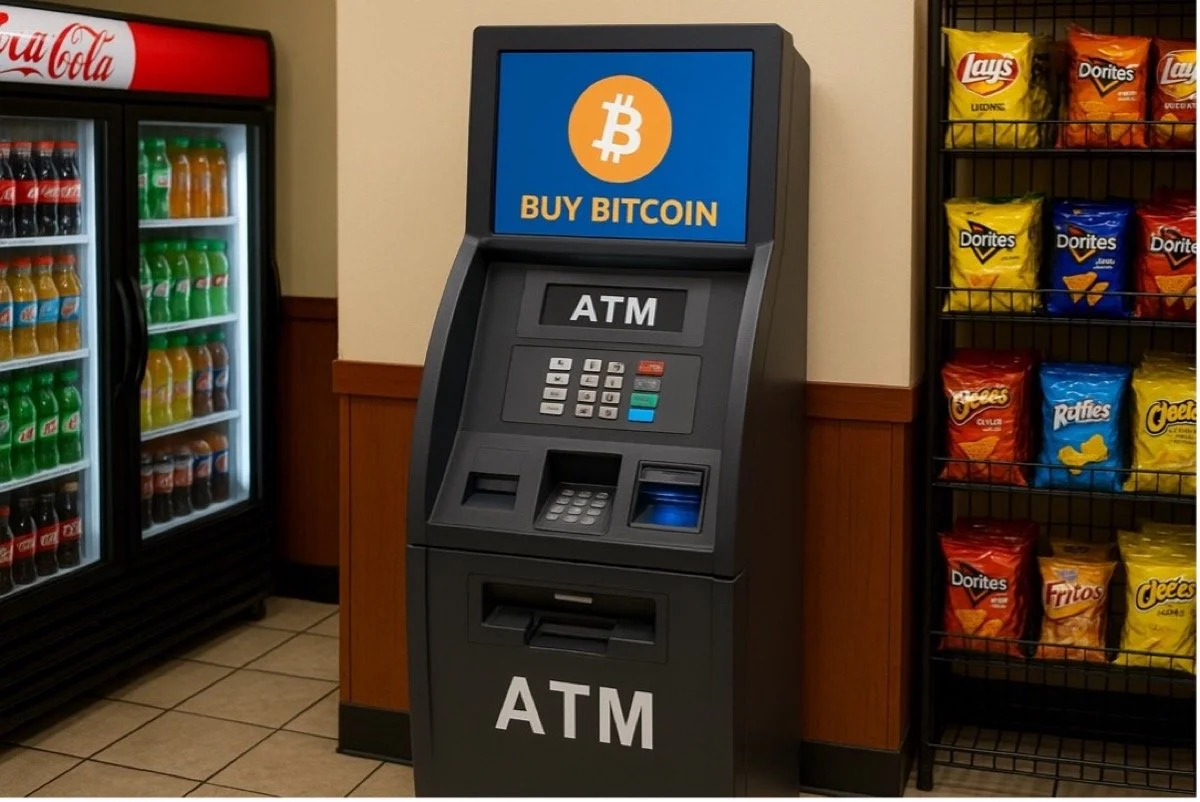
Cryptocurrency ATMs have popped up everywhere over the past few years, from gas stations and convenience stores to shopping centers and airports. They promise quick, easy access to cryptocurrency without needing a bank account or technical know-how. Introduced in 2008, Bitcoin is the first cryptocurrency, so the terms are sometimes used interchangeably.
For legitimate buyers, they can be a convenient way to purchase small amounts of crypto — albeit with a high transaction fee. But for scammers, crypto ATMs have become one of the most powerful tools to steal money quickly, anonymously, and irreversibly.
Common Crypto ATM Scam Scenarios
Scammers use a predictable set of scripts — just tailored with different storylines. Here are some examples:
“You owe money to the IRS / police / utility company.”
The scammer claims you must pay immediately to avoid arrest, power shutoffs, or legal trouble. They direct you to a Bitcoin ATM and give you a wallet address to send money.“Your bank account is compromised.”
A fake bank investigator tells you to move your money out of your account to “protect your funds.” They’ll gladly guide you how to do it by withdrawing cash and depositing it into a crypto ATM.“You won a prize but must pay fees first.”
Fraudsters say you won a sweepstakes, car, or grant, but must pay taxes or “processing fees” using a Bitcoin ATM before you can claim it.“I’m your grandchild / relative in trouble.”
In this variation of the emergency scam, the scammer instructs victims to send crypto for bail, legal fees, or medical bills.“We’re offering a special deal at this very low price.”
The catch is that they’ll only accept payment with crypto at an ATM. (And there is no product, just someone taking your money.)
In nearly all these cases, the scammer gives step-by-step instructions to the victim on the phone, keeping them on the line until the transaction is complete.
How to Avoid Crypto ATM Scams
Rule number one: If anyone instructs you to use a crypto ATM to pay a fee of any kind, it is a scam. Period.
Legitimate companies, government agencies, banks, and law enforcement never demand payment in cryptocurrency, especially through a kiosk or ATM. Crypto ATMs are used only for personal crypto purchases, not payments.
Here are four ways to stay safe:
Hang up. End a call or online conversation immediately if someone pressures you for urgent payment.
Never trust caller ID. Scammers can spoof any number, including the police or your bank. End the call and use the phone number on your bank statement, the back of your credit card, or the agency’s website to get the real number.
Get a reality check. Talk to a trusted relative or friend before sending any money. Scammers rely on creating a sense of urgency and isolation, so you won’t realize what’s happening.
Report incidents. Report a suspected scam call or message to the FTC or your local police. Even partial information can help investigators.
The Bottom Line about Bitcoin ATMs
Cryptocurrency itself isn’t the problem. Criminals are exploiting the speed and anonymity of Bitcoin ATMs to target unsuspecting people. Awareness is your best defense. Remember, if someone tells you to solve a problem by depositing cash into a crypto ATM, it’s not a solution — it’s a scam. Stop, hang up, and get help before you lose money you can’t get back.
You can also share this information with family and friends at holiday gatherings. And if you’re inspired to make even more of a difference, the next time you see an ATM machine let the nearby cashier know what they’re often used for. Ask them to keep an eye out for people — often elderly — attempting to deposit money while on their mobile phone.
Let’s not let the holiday season become scam season.
Recent News about Crypto ATMs
See more in our Resource Library.
More Blog Posts about Crypto ATMs