Meta, Scam Ads, and the First Scam-Driven Border Conflict
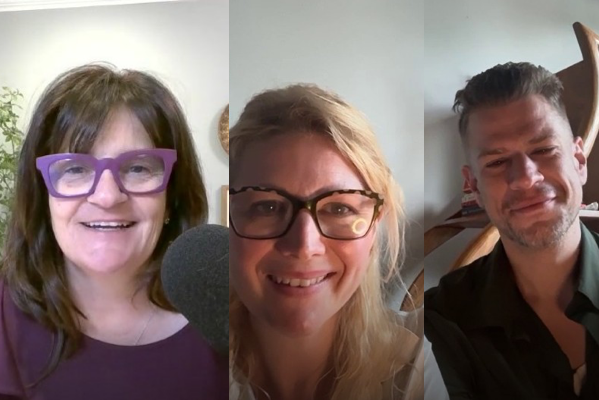
Jake Sims talks about his on-stage interview with a Meta exec and how scams contribute to the Thai-Cambodian conflict.
Episode 31: Jake Sims — Harvard fellow and global expert on transnational organized crime — joins Stolen to talk about the damning Reuters leak about Meta’s scam ad revenue, how the escalating military clash on the Thai-Cambodian border ties directly to scam compounds, and how the loss of USAID has affected attempts to disrupt scamming.
Jake reveals what happened inside his high-pressure “fireside chat” with Meta at the recent Global Anti-Scam Alliance (GASA) conference, why trust in big platforms is collapsing, and the challenges of holding Meta accountable.
Erin West and Jake also discuss the scam economy’s influence on geopolitical issues, the escalating tensions on the Thai-Cambodia border, the impact of USAID funding cuts on local NGOs. They emphasize the need for international pressure on Cambodia’s government and the importance of public trust in addressing these issues.
Jake’s Fireside Chat with Meta
GASA invited Jake to interview Nathaniel Gleicher, Meta’s Director and Global Head of Security Policy and Counter-Fraud, at the recent Global Anti-Scam Summit America 2025. They discussed the Reuters report that $16 billion — or 10% — of Meta’s ad revenue comes from scam ads. Gleicher responded that the numbers were misinterpreted and that Meta doesn’t want scams on the platform.
As Jake tells Erin, even if the revenue were only 3%, it would still reach billions of dollars annually, far exceeding all the budgets for counter-scam and counter-trafficking activist work worldwide.
Social media companies have an enormously powerful lobby and there’s no real concerted lobby countering it. — Jake Sims
One challenge is that Meta has regulatory immunity under Section 230 of the Communications Act. Because the government considers Meta part of critical communications infrastructure, it’s considered a “neutral intermediary” and not liable for what happens on its platform.
Watch the “Fireside Chat with Meta” from the GASA Summit.
Meta in Cambodia
The Cambodian government has not done well in setting up its people for economic success. In fact, Facebook Marketplace is one of the only places that people in Cambodia can access markets. In 2023, Facebook’s oversight board recommended that former Prime Minister Hun Sen be removed from the platform for using it to make violent threats against opponents. A few months later, Meta rejected the board’s recommendation.
I love having tough conversations about places where people need to do better on behalf of vulnerable people. — Jake Sims
Social media is a big part of the scam industry, which is a considerable component of the Cambodian economy. Criminal organizations use social media to post fake jobs that entrap people in human trafficking and forced labor for scam compounds. On the side of the scam, scammers use Facebook as a primary platform to engage with victims to initiate pig butchering and other investment fraud.
Cambodia-Thailand Border Conflict
A small area of the Thai-Cambodian border had been problematic for a while, but tensions started to rise mid-year. Cambodia escalated the situation when Thailand began pursuing its scam investments. Cambodia cut off visa access for Thai people; Thailand did the same. Then Thailand cut off internet access to Cambodia’s scam compounds. And so on. On December 3, Thai authorities announced the seizure of more than $300 million in Thai-based assets from multiple scam oligarchs.
There is a massive mountain of disinformation from both governments. There are active hostilities at over a dozen places along the Thai-Cambodia border, at least three of which are scam compounds.
The scam issue has helped motivate and give credibility to the Thai response. The Cambodian government is the foremost perpetrator of this crime. And the people who run the compounds are owned by ruling-party oligarchs with close ties to the military. And it is very plausible that these compounds are being used as military outposts.
There are lots of trafficking victims in the immediate vicinity. What’s not clear is, in the specific compounds that are being hit, whether there are active human trafficking victims in those compounds. — Jake Sims
The situation provides strong circumstantial evidence that the claims about scams being Cambodia’s top domestic industry are valid. It’s effectively the first global conflict where cyberfraud and cyberfraud centers are a major factor.
Loss of USAID Funding
Jake outlines how the loss of USAID funding has significantly impacted locally based non-governmental organizations (NGOs). Although large NGOs are doing OK, locally based groups that really understand the situation are on life support. They’ve had to focus on issues that directly affect the Cambodian people, giving them less ability to address the larger issue of the scam compounds and their impact on people outside Cambodia.
On the U.S. side, disrupting the scam state in Cambodia will require maintaining pressure on the people tied to the compounds who wield power and influence in the country. Jake posits that if scamming isn’t a top-two State Department priority in Cambodia, then they’re likely not serving American interests or values-based foreign policy aspirations. He feels that the United States needs to increase the pressure on Cambodia and treat it as an emergency.
Subscribe to Stolen for straight truth, survivor-centered storytelling, and bold conversations about the scamdemic and the people fighting back. Find Stolen on Spotify, Apple Podcasts, Amazon Music, and other major podcast platforms.
Useful Links
Summary of Reuters article: Meta Earns Billions on Scams and Fraud
Watch the “Fireside Chat with Meta” at Global Anti-Scam Summit America 2025
Who Is Jake Sims?
Jacob Sims is a leading expert on transnational crime and human rights in Southeast Asia. He is a fellow at the Harvard University Asia Center, a term member at the Council on Foreign Relations, a senior advisor for Inca Digital, and a formal advisor to government agencies, think tanks, and NGOs.
In his leadership roles at the International Justice Mission, he helped spearhead the world’s initial response to the now-global crisis arising from Southeast Asia’s scam economy.
Episode Chapters
00:00 — Introduction
04:22 — Jake’s Reflections on the GASA Summit
09:28 — The Preparation for the Fireside Chat with Meta
12:05 — The Reuters Article and Meta's Revenue from Scams
14:53 — The Trust Gap and Meta’s Regulatory Immunities
17:50 — Regulatory Changes and Global Perspectives on Social Media Accountability
19:51 — Meta's Regulatory Challenges and Responsibilities
25:40 — Political Tensions in Thailand and Cambodia
36:48 — Impact of USAID Funding Cuts on Civil Society
39:04 — Strategies to Combat Cambodia's Scam Economy
Useful Links
Summary of Reuters article: Meta Earns Billions on Scams and Fraud
Watch the “Fireside Chat with Meta” at Global Anti-Scam Summit America 2025
Sponsors of Stolen

BioCatch prevents financial crime by recognizing patterns in human behavior, continuously collecting 3,000 anonymized data points – keystroke and mouse activity, touch screen behavior, physical device attributes, and more – as people interact with their digital banking platforms. With these inputs, BioCatch's models reveal patterns that distinguish the criminal from the legitimate.
Scamnetic is a leader in AI-powered scam detection and prevention, protecting individuals, businesses, and financial institutions from digital scams. With solutions like KnowScam and IDeveryone, Scamnetic delivers real-time scam insights, identity verification, and intervention. Restoring trust, reducing losses, and empowering organizations to safeguard customers in an increasingly complex digital world.
Recent Episodes of Stolen