Amazon Scam Call Evolves into Government Impersonation
Scammers told Jane that her banking information had been compromised — but the government would help.
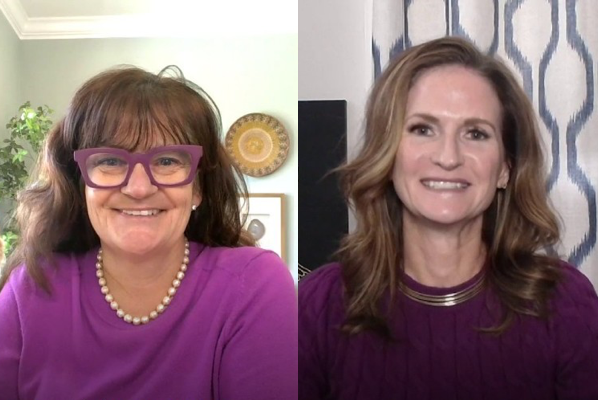
Episode 31: Erin West interviews Jane, a victim of a scam that involved multiple fraudulent calls from supposed representatives of Amazon, her bank, and government agencies. Jane talks about the emotional manipulation, isolation, and resulting panic victims experience during such scams, as well as the importance of community support and education in preventing future fraud.
Scammers rely on creating a sense of urgency and confusion. And that’s exactly what they did to Jane. It all started with a call from Amazon about fraudulent use of her bank account. The caller ID on her phone said Amazon. The people on the phone assured her it wasn’t a scam. They identified the correct bank and transferred her. The bank’s fraud department transferred her to the FTC, which transferred her to the Social Security Administration, where the rep told her someone was using her information to launder money. If she didn’t “clean” the money, she’d be liable for the crime.
Every time you are transferred, it adds more credibility to what’s happening. More people are acknowledging that there is a problem. — Jane, Scam Survivor
The scammers told Jane someone was trying to open an account with her information to deposit “dark money.” Her money wasn’t safe with the bank. To protect it, she’d need to withdraw cash to move it to a secure government account. And of course, they’ll help her.
The same person called the next day to guide her through the process of going to the bank to make an initial withdrawal, then ship it to a criminal lawyer to “surrender the funds,” after which they could set up a secure government account. They kept her on the phone throughout all the transactions, telling her they needed to record the interactions as evidence in the criminal trial against the money launderer.
The scammers had her go to a different bank branch each day to avoid attracting attention. But the bank teller on the third day sensed something wasn’t right. They claimed they didn’t have enough cash and went to get the bank manager. The bank manager kindly and calmly helped Jane understand what was happening and called the county police.
You may think you’re so smart, but guess what? They’re smarter than you. They're more sophisticated than you. And you will be scammed. — Jane, Scam Survivor
Jane's story serves as a powerful reminder of the sophistication of scammers and the need for vigilance and awareness. It’s also a story of resilience. After facing negative stigma as a scam victim, she has become an anti-scam educator and survivor advocate. She’s involved in AARP Fraud Watch Network support groups and volunteers regularly with the Montgomery County Police Department to do community presentations. She says their messages really hit home when they share their personal stories about being scammed.
This isn’t just happening to nameless, faceless people. This happened to me. — Jane, Scam Survivor
Jane shares how the experience has changed her. She stepped out of her comfort zone to talk to people about the dangers of being scammed. Her goal is to make sure other people don’t get scammed. She regularly presents to groups, warning about the sophistication of scammers, the strategies they use to create a sense of urgency or fear to create panic and cloud a victim’s judgment, and how they use isolation to make it all work.
Subscribe to Stolen for straight truth, survivor-centered storytelling, and bold conversations about the scamdemic and the people fighting back. Find Stolen on Spotify, Apple Podcasts, Amazon Music, and other major podcast platforms.
Episode Chapters
00:00 — Introduction to Jane
02:34 — The Scam Experience Begins
07:21 — The Complexity of the Scam
14:17 — Isolation and Panic
22:27 — The UPS Delivery Plan
29:46 — The Turning Point: Bank Manager's Intervention
36:38 — The Importance of Sharing Stories
41:51 Empowerment Through Education
Useful Links
Sponsors of Stolen

BioCatch prevents financial crime by recognizing patterns in human behavior, continuously collecting 3,000 anonymized data points – keystroke and mouse activity, touch screen behavior, physical device attributes, and more – as people interact with their digital banking platforms. With these inputs, BioCatch's models reveal patterns that distinguish the criminal from the legitimate.

Scamnetic is a leader in AI-powered scam detection and prevention, protecting individuals, businesses, and financial institutions from digital scams. With solutions like KnowScam and IDeveryone, Scamnetic delivers real-time scam insights, identity verification, and intervention. Restoring trust, reducing losses, and empowering organizations to safeguard customers in an increasingly complex digital world.
Recent Episodes of Stolen